Home / Do Your Students Need Extra Support?

Do Your Students Need Extra Support?

Content language supports, platform accommodations, tutorials, and enrichment activities, gathered in one place.

Purpose

Some students need one more layer of support before they can show what they know. This page collects the tools that help: content language supports on leveled passages, OnSTAGE accommodations, step by step tutorials for TBASE and the Learning LAB games, and quick enrichment activities for students who are ready for more.

Content Language Support

OnSTAGE passages come in leveled versions from low to very high, so every student reads the same content and the same tested standard at the band they can access. Each leveled version keeps the central idea and the evidence students need to answer, then lowers the language demand. Picture supports and a vocabulary bank sit beside the text, and a read aloud track plays on demand.

Sample: The Pilgrims Chose Plymouth (Level 1)

These are the real picture supports for this passage. In OnSTAGE, a student with Content Language Supports taps a pictured word in the text and sees its picture and meaning.
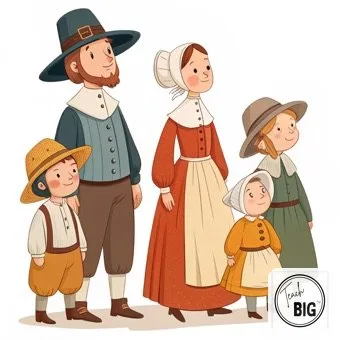

Watercolor picture support for the word Pilgrim: people who traveled far to start a new home because of their beliefs
Pilgrim: people who traveled far to start a new home because of their beliefs
Watercolor picture support for the word Ocean: a very large body of salt water
Ocean: a very large body of salt water
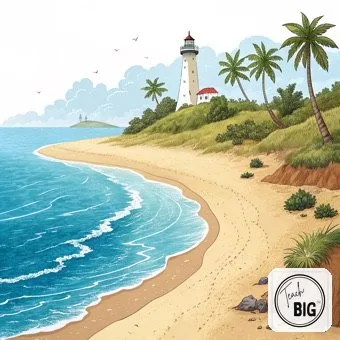
Watercolor picture support for the word Coast: the land right next to the ocean
Coast: the land right next to the ocean
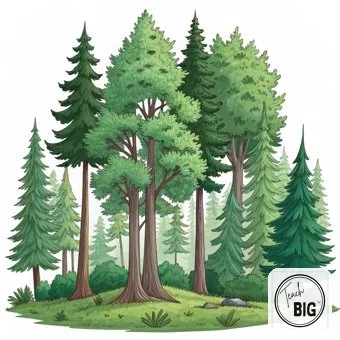
Watercolor picture support for the word Forest: large areas of land covered with trees
Forest: large areas of land covered with trees
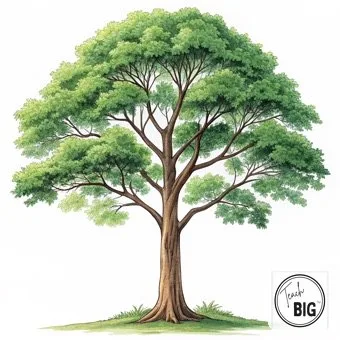
Watercolor picture support for the word Tree: tall plants with a trunk and branches
Tree: tall plants with a trunk and branches
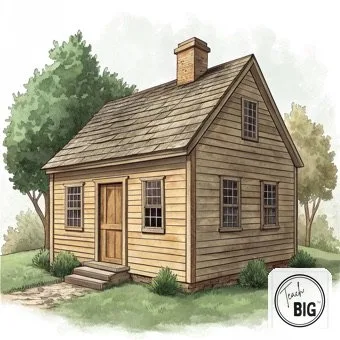
Watercolor picture support for the word Home: places where people live
Home: places where people live
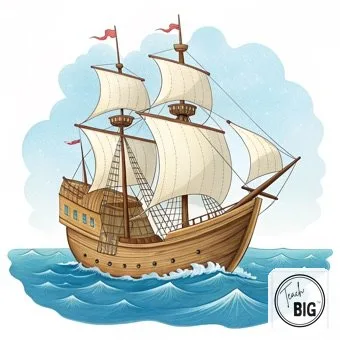
Watercolor picture support for the word Ship: large boats that travel on the ocean
Ship: large boats that travel on the ocean
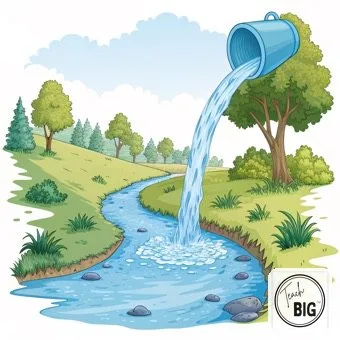
Watercolor picture support for the word Water: the liquid people drink and that fills rivers and oceans
Water: the liquid people drink and that fills rivers and oceans
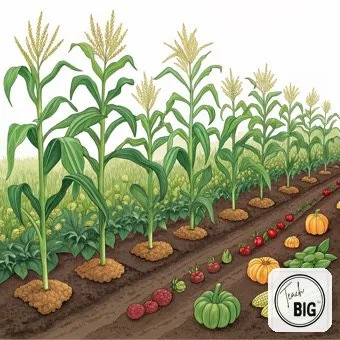
Watercolor picture support for the word Crops: plants grown for food
Crops: plants grown for food
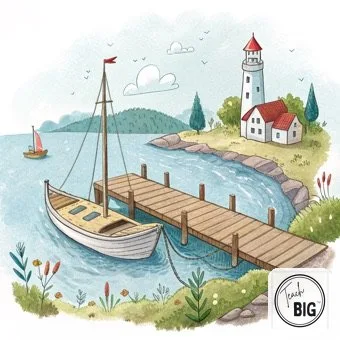
Watercolor picture support for the word Harbor: a safe, calm area of water where ships can stay
Harbor: a safe, calm area of water where ships can stay
Watercolor picture support for the word Winter: the coldest season of the year
Winter: the coldest season of the year
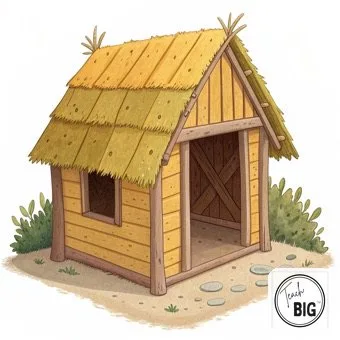
Watercolor picture support for the word Shelter: places that keep people safe from weather
Shelter: places that keep people safe from weather
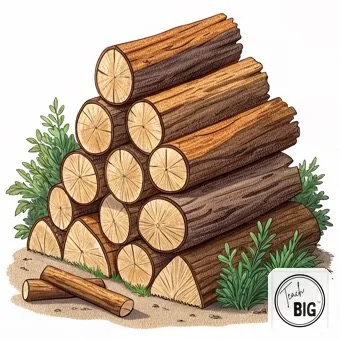
Watercolor picture support for the word Wood: the hard material from trees, used to build and to burn
Wood: the hard material from trees, used to build and to burn
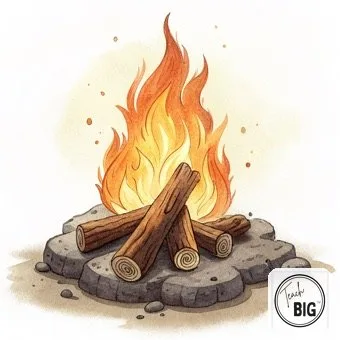
Watercolor picture support for the word Fire: flames that give heat and light
Fire: flames that give heat and light
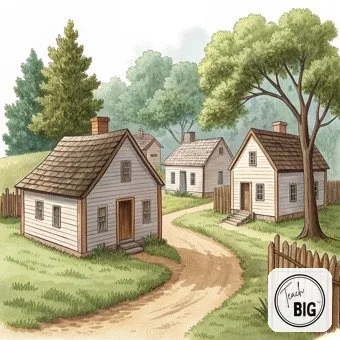
Watercolor picture support for the word Colony: a new town started by people from another country
Colony: a new town started by people from another country

In 1620, a group of travelers called the Pilgrims sailed across the Atlantic Ocean looking for a place where they could live and practice their beliefs freely. After many weeks at sea, they reached the coast of North America.

The Pilgrims explored the land and found an area called Plymouth. Nearby were forests filled with tall trees that could be used to build homes and ships. There was also fresh water and land where crops could be planted. The harbor made it possible for their ship to anchor safely.

Winter was coming, and the Pilgrims needed to begin building shelters quickly. They started constructing small homes and gathering wood for fires. Soon, Plymouth became the place where they settled and built their new colony.

Read the transcript

Loading transcript...

Vocabulary bank

  • colony: a new town started by people from another country
  • harbor: a safe, calm area of water where ships can stay
  • shelter: places that keep people safe from weather
  • crops: plants grown for food

OnSTAGE Accommodations

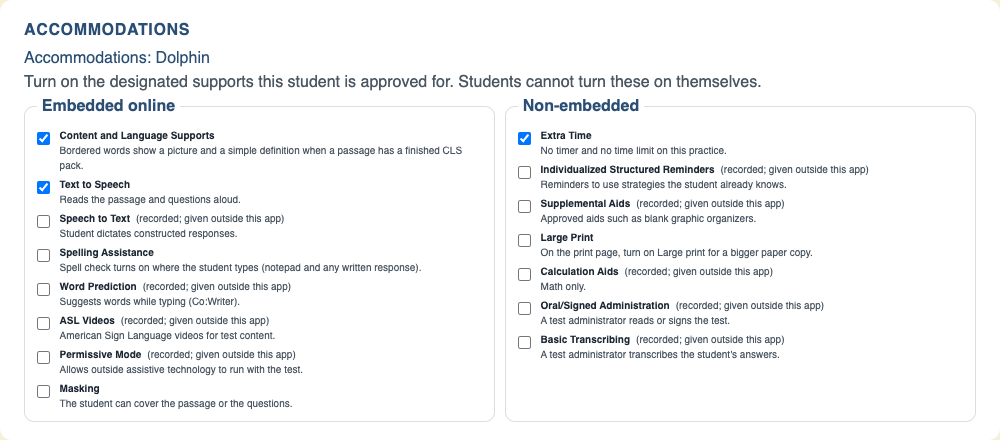
OnSTAGE mirrors the released STAAR/SST format, so practice transfers straight to the test. Teachers can set accommodations for each student so the support travels with them:

  • Leveled passage versions that keep the standard and lower the language demand.
  • Read aloud and picture supports for students who need content language help.
  • Extended time so students are not timed out while they build stamina.
  • Small group and whole class assignment so support can be standards specific by need.
OnSTAGE teacher accommodations checklist for Dolphin, showing reading and timing supports

TBASE Tutorials and Essay Expert

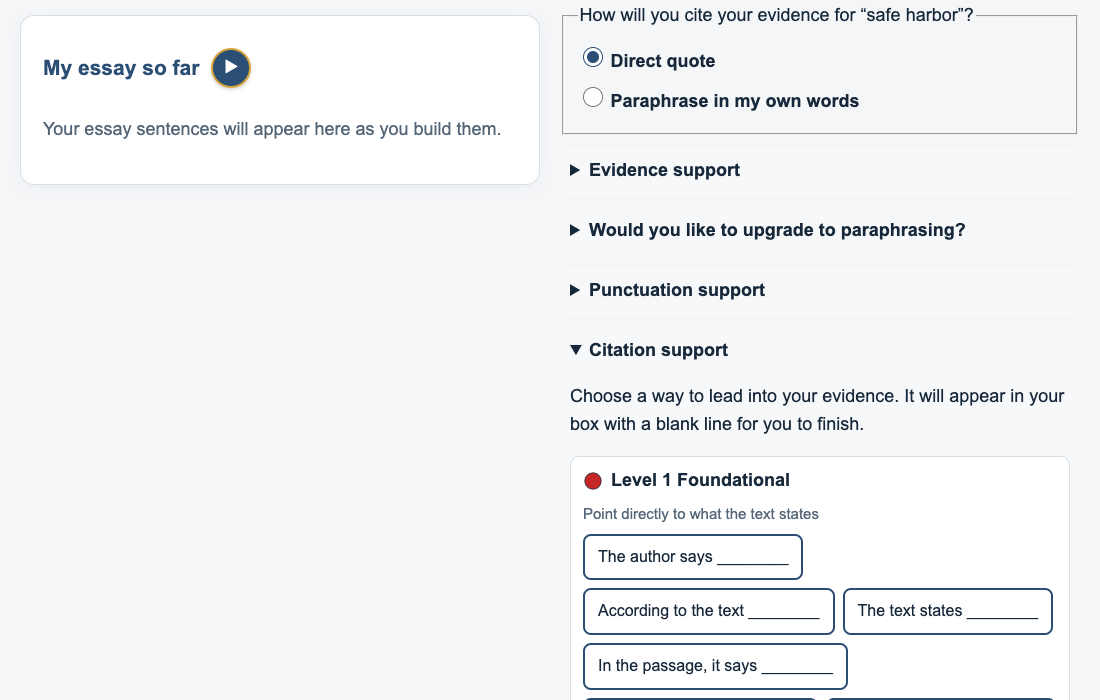
Students who know the routine score better. TBASE walks students through the essay process step by step, and Essay Expert gives them a score and revision next steps the moment they submit, so a draft is never a dead end.

TBASE Essay Expert evidence tutorial with coach support panel

Learning LAB Games with Support Tutorials

The Learning LAB games turn RLA skills into short, repeatable practice. Each game opens with a tutorial that models the move before students play, so support students can start without a teacher at their shoulder.

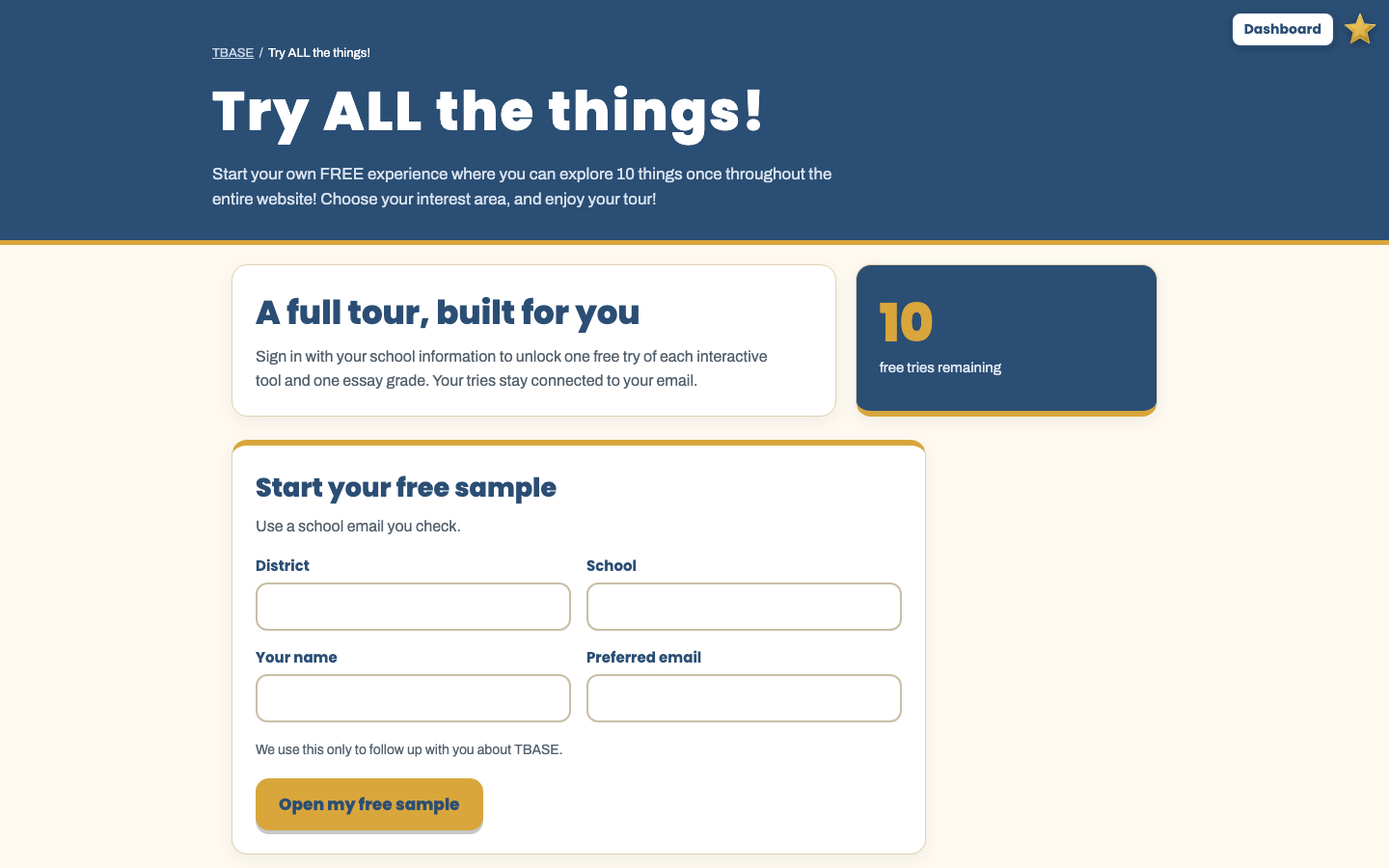
TBASE free trial access screen for the Learning LAB games

Intervention Activities

Standards specific small group activities for students who need more time with a skill, grouped by TEKS strand so you can match the activity to exactly what a student missed.

Enrichment for Students Ready for More

Support is not only for students who are behind. These small group activities stretch students who finished early, each one tagged to its TEKS so the practice stays on grade level.

Crack the Code of Vocabulary

Students decode tier 2 vocabulary with context practice in a small group routine.

Author's Purpose Pie Game

A game format that has students sort and defend author's purpose choices.

Key Idea Showdown

Students compare key idea options and cite the text evidence that wins.

Not sure where to start?

Tell us about your students and we will help you pick the supports.

Contact us
Teach BIG pencil guyChat Now!